From Freelance Developer to Building a $6M-Funded Product to SPURGE on Autopilot — Now Building Stocky Pro
Sometimes the best businesses aren't the ones you plan — they're the ones that find you when you're not even looking.
Part I: The Software Foundation
Skipping the Traditional Path
I never took a traditional job after college. While my batchmates were preparing for campus placements and dreaming of offer letters from big IT companies, I was already freelancing — building websites, writing code, learning by doing.
It wasn't glamorous. It was late nights, client calls across time zones, and figuring things out through tutorials and relentless practice. But it taught me something no job could: how to build from scratch, how to deliver, and how to keep getting better.
Freelancing led to bigger clients. Bigger clients led to product work. And product work led to Tully.
Building Tully From Scratch
Tully was a software product I architected and built entirely from the ground up — frontend, backend, Android app, and with some help, the iOS app. I was sitting in India, writing every line of code, while the founders were building the business side.
The product I built became the foundation that helped Tully secure $6 million in funding. That validation meant everything. It proved that a freelance developer from India could build something that attracted serious investment.
Tully was my 90%. It consumed my days and nights. It was my baby.
But something else was quietly growing on the side.
Part II: The SPURGE RENTALS Story
A Window in Bengaluru
Picture this: a software engineer sitting by his apartment window in Sanjaynagar, Bengaluru, watching the evening rush of IT professionals returning home with their laptop backpacks. That was me in 2018, fresh out of a family conflict that led me to leave Ahmedabad with nothing but a bag of clothes and a determination to carve my own path.

I'd always been the kid obsessed with computers. While others collected stamps or played cricket, I was learning about disk partitions, removing bad sectors with chkdsk, and spending every rupee I had on CPUs and monitors.
That evening by the window planted a seed.
The First Trade
I had an old laptop to sell. Posted it on OLX, and it sold to someone from another state. That simple transaction sparked an idea — if there's demand elsewhere, why not here in Bengaluru, the IT capital of India?
Through a friend's connection at a computer trading shop, I started receiving laptop deals on WhatsApp. I decided to test the waters with just 5 units — old Dell i5 2nd generation laptops, thick as bricks but reliable workhorses. Bought them for ₹9-10K each.
The 90-10 Split
While I was building Tully, the laptop business was my 10% — a hobby that somehow kept pulling me back.
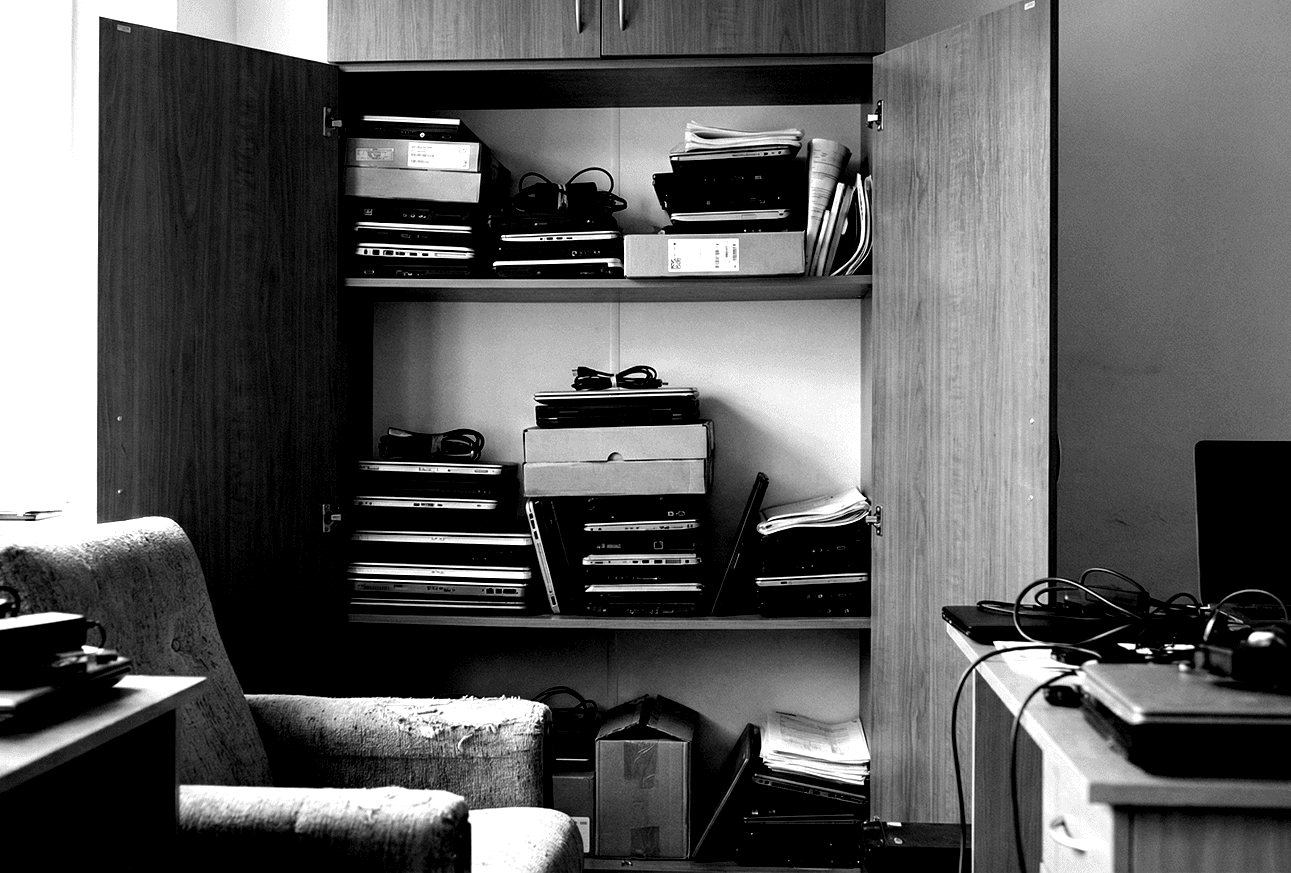
I'd tell myself after each batch: "This is the last one. No more laptops." But then I'd find better suppliers, better deals, better quality. From 5 units to 10, then 50, then 100, 200, even 500 units at a time. My Koramangala office became a mini-warehouse where dealer groups would visit, check stock, and buy in bulk.
COVID and the Pivot to Rentals
Just before COVID hit, everything changed. I received an inquiry from SLK Technologies (now Coforge) for 100-1000 laptops on rent for 3 months. By then, I'd already sold most of my stock to regular vendors. But with borders closing and work-from-home becoming mandatory, laptop demand skyrocketed.
I took the leap: 100 units at ₹2,400 per month with a 3-month lock-in. Those Lenovo ThinkPads I'd bought for ₹15,000 each were supposed to be a 3-month rental, after which I'd sell them.
But month 3 became month 4, then 5, then 6...
That's when the calculator came out. Walking around my bedroom, crunching numbers, imagining 1,000 laptops on rent for 1-2 years. The math was beautiful. The returns were incredible.
SPURGE RENTALS was born.
The Turning Point
Within a year, I hit my first 1,000 rental laptops. The monthly rental income exceeded what my work on Tully was paying me. It was decision time.
I chose SPURGE. Exited Tully gracefully. Went all-in on rentals.
The Disaster
One month after leaving Tully, catastrophe struck:
- 274 laptops lost to a fraudulent client in Hyderabad
- 700 laptops seized by CID in a Chinese loan app investigation
- Nearly 1,000 laptops gone in days
Everything I'd built, worked for day and night — vanished in the blink of an eye.
The Comeback
But here's what separates entrepreneurs from everyone else — we get back up. I fought legal battles, dealt with police corruption, learned hard lessons about trust and verification. I recovered 624 laptops from the CID after winning my case.
More importantly, I learned my biggest mistake: running a one-man show. No proper due diligence, no systems, just trust and handshakes.
Building a Machine That Runs Without Me
Post-disaster, I rebuilt SPURGE differently. I hired an accounts manager. Built a team across CRM, collections, logistics, and operations. Created SOPs for every process. Implemented proper client verification, payment monitoring systems, and compliance frameworks.
SPURGE Today: Autopilot
As of 2025, SPURGE RENTALS:
- Manages 2,000+ laptops on active rental across India
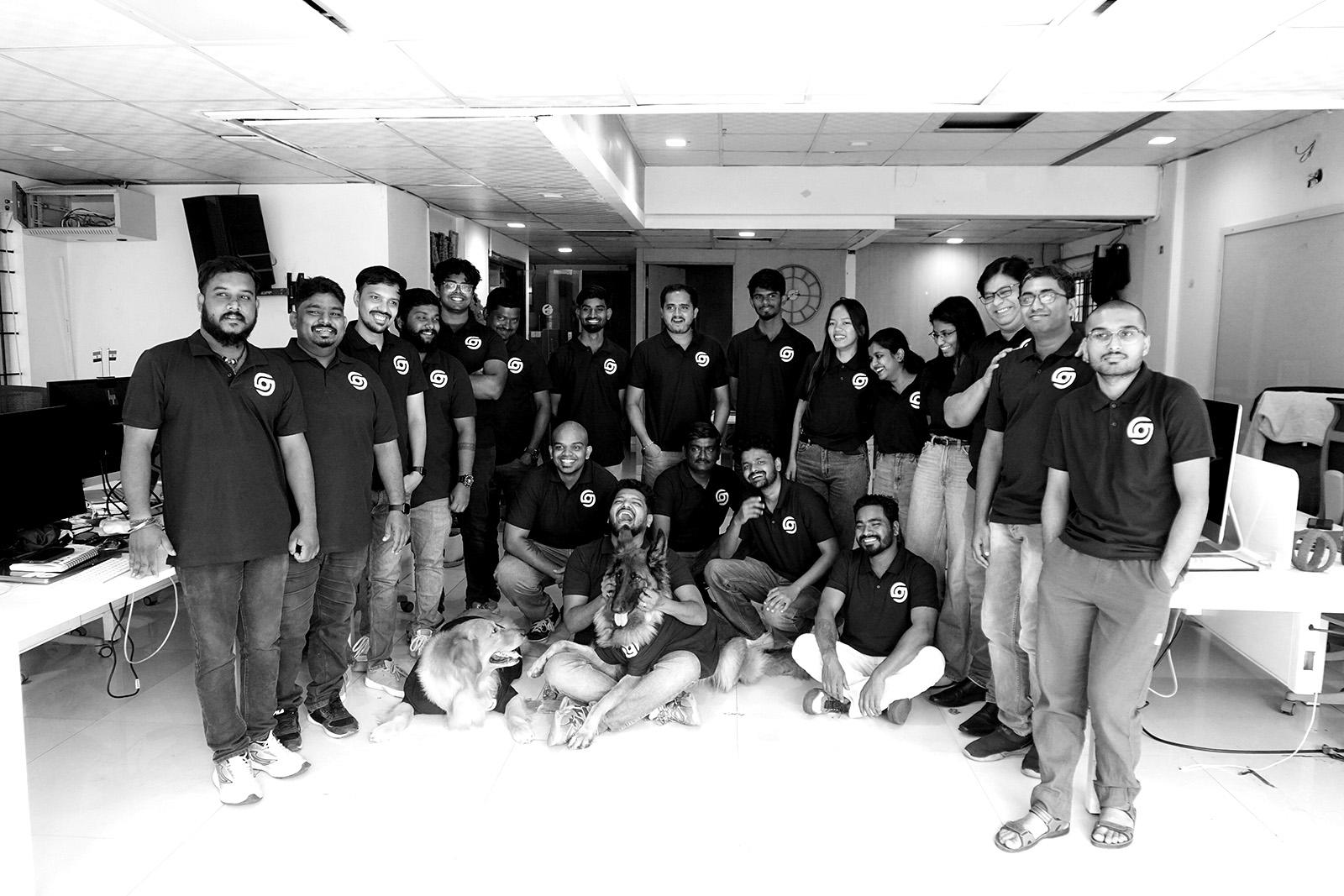
- Runs with a 25-member team handling end-to-end operations
- Offers everything from high-end MacBooks to gaming laptops
- Operates on complete autopilot — powered by custom software I built for internal operations and client portals that manage the entire rental workflow
- No spreadsheets. Zero manual entry. Just pure automation handling complex rental reconciliation
Started with 5 laptops. Survived losing 1,000. Now managing 2,000+ with a team of 25.
That's the SPURGE story.
Part III: What Comes Next — Stocky Pro
From Autopilot to Ambition
The hard work I put into SPURGE RENTALS over half a decade now funds the bigger venture.
Building SPURGE taught me something critical: most businesses still run on duct-taped tools, disconnected spreadsheets, and software that doesn't talk to each other. I built custom systems to solve this for SPURGE. Now I'm building it for everyone else.
Introducing Stocky Pro
Stocky Pro is an independent business software company I'm building from scratch — a suite of integrated applications that streamlines every department, from support to sales, order processing to product lifecycle, so teams can operate like a single machine.
This isn't a side project. This is the main event.
The Team
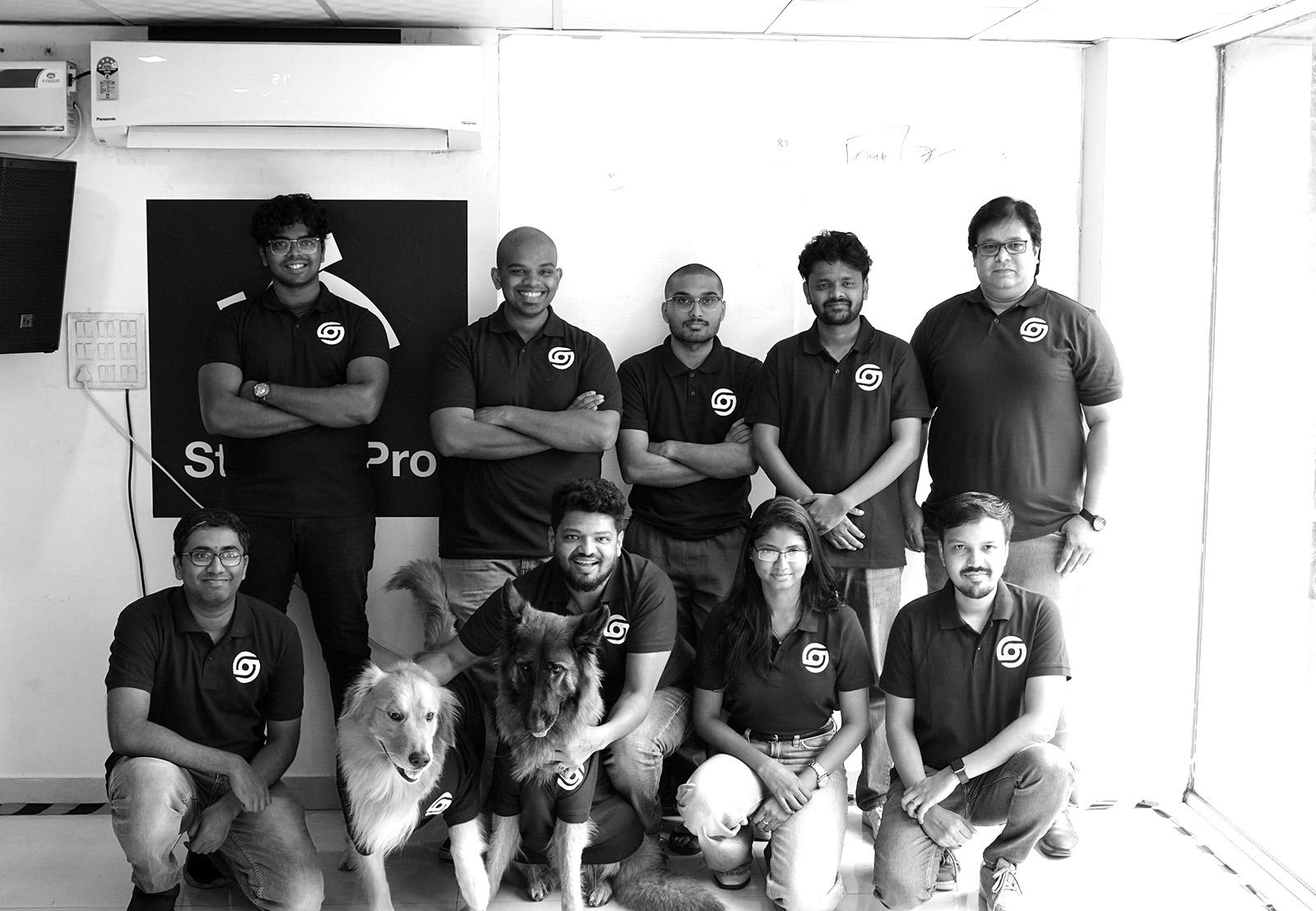
I've assembled a team of 10+ senior engineers, each with a decade of experience building at scale. We're not learning as we go — we're executing with precision.
We're already one year into development, and the energy is electric. We know what we're building. We know the pain points we're solving. And we're super pumped about what this is going to unlock for businesses everywhere.
The Vision
Stocky Pro isn't just another SaaS tool. It's the operating system for businesses that want to scale without the chaos — the kind of system I wish existed when I was rebuilding SPURGE from the ashes.
More updates coming soon.
The Lessons
1. Skip the queue if you can. Freelancing straight out of college wasn't the safe path, but it gave me skills and autonomy that no job could.
2. Your side project might be your main calling. I was a software engineer who stumbled into hardware rentals. Sometimes passion finds you in unexpected places.
3. Build things that matter. The product I built for Tully helped raise $6M. What you create can have impact far beyond your immediate role.
4. Disaster is a teacher in disguise. Losing 1,000 laptops taught me more about business than any MBA could. It forced me to build systems, not just rely on myself.
5. The 90-10 rule works both ways. What starts as your 10% can become your 100%. Pay attention to what keeps pulling you back.
6. Scale requires systems. A one-man show can only go so far. Real growth happens when you build processes that work without you.
7. Build the tool you needed. The best products come from solving your own problems first. That's why Stocky Pro exists.
The Path That Led Here
Nothing happens in isolation. Every step prepared me for this moment:
College → Chose freelancing over placements. Self-learning through tutorials and relentless practice.
Freelance Developer → Built skills, landed bigger clients, learned to deliver under pressure. This became the foundation for everything.
Tully → Built the entire product from scratch in India — frontend, backend, mobile apps. The product helped the company raise $6M in funding. Learned to work deeply with technology and real-time collaboration.
SPURGE Rentals → The 10% side hustle that became the main event. Survived disaster. Rebuilt with systems. Now on autopilot with 25 members and 2,000+ devices.
Stocky Pro → The next chapter. A team of 10+ senior engineers, one year in, building business software that will change how teams operate.
When young entrepreneurs ask me for advice, I tell them: "Start building. Skip the queue if you can. Keep your eyes open — your million-dollar idea might be hiding in your 10% time."
And when you find it — build the systems, build the team, and build something bigger.